
What ingredients do I need for classic skillet cornbread?
You need only a handful of pantry staples. Below is the list and what each ingredient does. All measurements are for a 25 cm cast iron skillet, which yields 8 generous wedges.
- 300 g plain stone-ground cornmeal gives the bread its signature gritty texture and deep corn flavour. Do not use instant polenta or cornflour, as both are too fine and will turn the crumb cakey.
- 1 teaspoon fine sea salt brings the corn taste forward. Without enough salt the crumb reads flat and floury.
- 1 teaspoon bicarbonate of soda reacts with the acid in the buttermilk to lift the batter. The reaction starts as soon as you combine the wet and dry mixes, so get the skillet into the oven quickly.
- 2 large eggs, beaten set the structure and hold the crumb together so the wedge does not fall apart when you lift it out of the pan.
- 350 ml full-fat buttermilk adds the tang that balances the sweet corn and keeps the crumb tender. If the batter looks too stiff, add an extra tablespoon of buttermilk until it drops easily from the spoon.
- 2 tablespoons bacon dripping or unsalted butter go into the hot skillet before the batter. The fat sizzles on contact and creates the dark, crisp bottom crust that defines a proper Southern skillet bread.
Why preheat the skillet before adding the batter?
A hot skillet is what gives Southern cornbread its deep golden, crisp bottom crust. When the batter hits a preheated surface, the fat sizzles immediately and starts frying the outer layer before the bread even goes into the oven. That instant sear also creates a natural barrier that stops the finished cornbread from sticking.
Place a well-seasoned 10-inch cast-iron skillet on the middle rack while the oven heats to 220 °C. Once the oven reaches temperature, let the empty skillet sit for another 8 to 10 minutes so the metal fully absorbs the heat. Drop a tablespoon of butter or bacon dripping into the pan, swirl it to coat the bottom and sides, then pour in the batter straight away. You should hear a gentle sizzle. Work quickly so the pan does not lose heat.
Skip this step and you get a pale, soft bottom and a loaf that often glues itself to the pan. A cold skillet also lengthens the bake time and dries out the crumb. Preheating takes only a few extra minutes and makes the difference between a good cornbread and one with that proper crackly crust.
How do I mix the batter so it stays moist?
Whisk the dry ingredients (cornmeal, flour, sugar, baking powder, baking soda and salt) in one bowl and the wet ingredients (buttermilk, eggs and melted butter) in a second bowl. Pour the wet mixture into the dry and fold together with a spatula until the flour just disappears. A few small lumps are fine; they hydrate as the cornbread bakes. If you overmix, you develop gluten from the wheat flour, which makes the crumb tough and dry instead of tender.
Buttermilk does two jobs here. Its acid reacts with baking soda to create lift, and its thick texture coats the cornmeal particles so they absorb moisture gradually. That keeps the crumb soft for hours after baking. If the batter looks thicker than pancake batter, add a tablespoon of cold water and fold once more. The batter should mound slightly on the spatula rather than pour in a thin stream.
- Use a folding motion, not a beating motion, to combine the bowls.
- Stop mixing as soon as you cannot see dry flour streaks.
- Cold buttermilk slows gluten development, giving you an extra minute to work.
- Melted butter, not oil, adds steam pockets that keep the interior moist.
- Let the batter rest for 3 minutes on the counter while the skillet finishes heating.
Can I make cornbread without buttermilk?
Yes, you can make cornbread without buttermilk and still get a tender crumb. Buttermilk adds tang and reacts with the leavening for a good rise, but a couple of pantry swaps do the same job without a special trip to the shop.
The simplest substitute is whole milk soured with lemon juice or white vinegar. Measure 240 ml of whole milk, stir in 1 tablespoon of lemon juice or vinegar, and let it sit for 5 minutes. It will thicken and curdle slightly, just like buttermilk. Use it as a direct replacement in your recipe. The cornbread will have a milder flavour and miss the characteristic buttermilk tang, but the texture stays moist.
Plain yoghurt is another reliable substitute. Thin 180 ml of plain yoghurt with 60 ml of milk or water to reach the 240 ml mark, then use it exactly as you would buttermilk. The yoghurt brings back some of that pleasant acidity, so the finished cornbread tastes closer to the classic version.
- Whole milk with lemon juice or vinegar gives the closest texture match; the flavour is noticeably milder.
- Plain yoghurt thinned with milk restores some tang and makes the crumb extra tender.
- Kefir works as a direct one-for-one replacement and keeps the tangy dairy note intact.
- Soured cream thinned with water can pinch-hit; use 120 ml soured cream plus 120 ml water to reach the full liquid amount.
- Avoid sweetened or flavoured yoghurts, as they throw off the savoury balance of the cornbread.
How long do I bake cornbread and at what temperature?
Bake the cornbread at 220°C (425°F) on the middle rack. This high heat recreates the fierce oven of a Southern kitchen and gives you a deep brown crust in a short time. Start checking for doneness at 20 minutes, though most 25 cm (10 inch) skillets need 22 to 25 minutes total.
The edges will pull away from the sides of the pan and the top will turn a rich golden brown. Insert a toothpick into the centre. It should come out clean or with a few moist crumbs clinging to it, never with wet batter. If the pick shows raw streaks, give it another 2 minutes and test again.
How do I store leftover cornbread and reheat it?
Wrap cooled cornbread tightly in cling film or aluminium foil and keep it at room temperature for up to two days. For longer storage, place the wrapped cornbread in the fridge where it stays good for up to a week. The fridge will firm the crumb slightly, which actually helps when you reheat it.
To bring back the crispy crust, reheat individual slices in a hot skillet over medium heat for about two minutes per side with a tiny pat of butter. For a whole wedge, place it on a baking tray in an oven preheated to 175°C and warm for 8 to 10 minutes. You will know it is ready when the edges feel crisp to the touch and the kitchen fills with that toasted corn aroma. Avoid the microwave if you want any crunch, because it steams the crust soft.
Frequently asked questions
Can I use a different pan if I do not own a cast-iron skillet?
Yes. An ovenproof stainless steel or heavy aluminium pan works, though the crust may be slightly less crisp. Avoid thin non-stick pans because they do not hold heat well enough to give you that signature golden bottom.
Why did my cornbread turn out dry?
Dry cornbread usually comes from overmixing the batter or baking it too long. Stir just until the flour disappears, and start checking for doneness 3 minutes before the timer goes off. Using full-fat buttermilk also helps lock in moisture.
Can I add sugar to this recipe?
You can, though a true Southern skillet cornbread is savoury. If you prefer a slightly sweet note, add 2 tablespoons of granulated sugar to the dry ingredients. The texture stays the same, but the flavour shifts closer to a Northern-style cornbread.
Is it possible to make this cornbread gluten-free?
Yes. Swap the plain flour for a measure-for-measure gluten-free flour blend that contains xanthan gum. Cornmeal is naturally gluten-free, so the rest of the recipe stays unchanged. The crumb will be a little more delicate, so let it cool in the pan for 10 minutes before slicing.
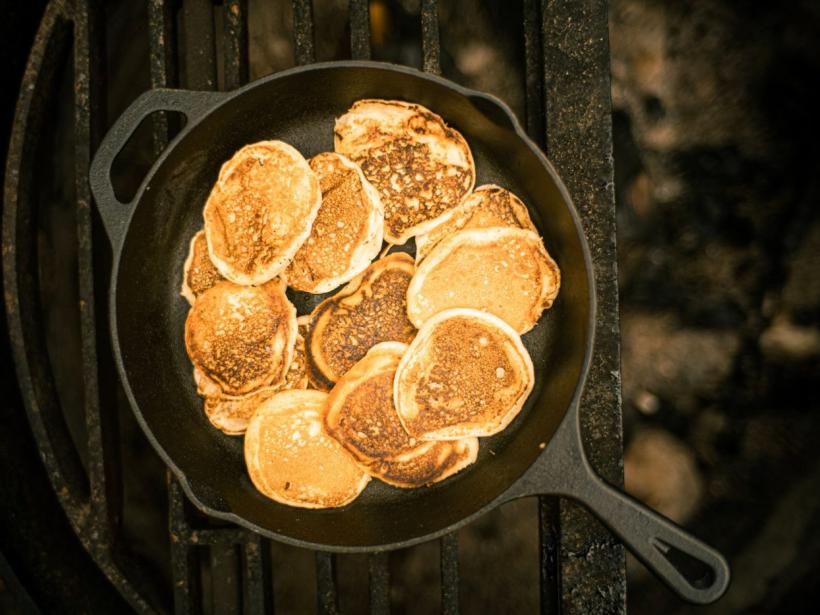
Photo: Oliver King, Pexels (Pexels License)