
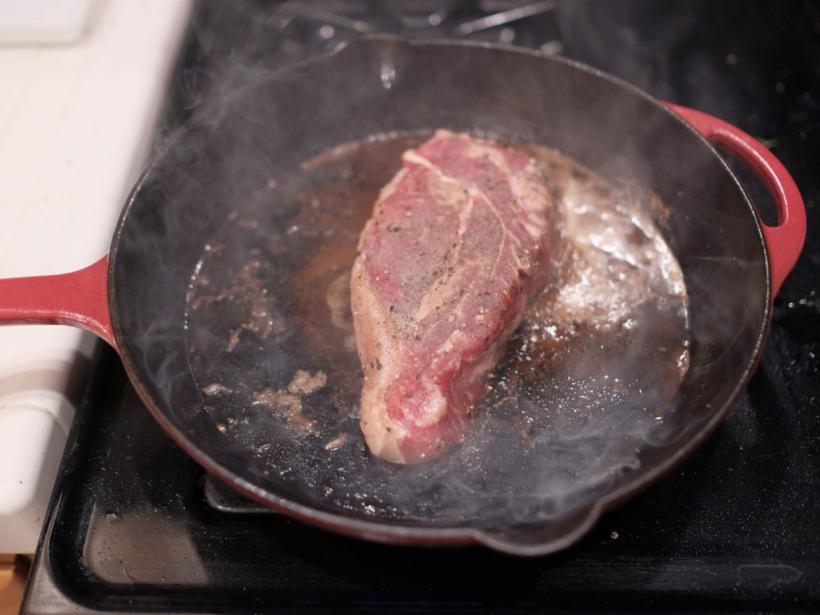
Does cast iron leach harmful chemicals into food?
A bare cast iron pan is made from iron and carbon, with no synthetic non-stick coatings, PFAS, or other chemical additives. The dark surface on a well-used skillet is a layer of polymerized oil, created when thin coats of fat are heated past their smoke point and bond to the metal. This seasoning is chemically inert. It does not break down under normal cooking temperatures and will not leach harmful substances into your food.
The only material your pan releases during cooking is a tiny amount of dietary iron, which is the same mineral found in red meat, lentils, and spinach. A 2013 study in the Journal of the American Dietetic Association found that cooking in cast iron can increase the iron content of food, particularly acidic dishes cooked for longer periods. For most people, this is a nutritional benefit, not a safety concern. If you maintain your seasoning properly, the polymerized layer acts as a stable barrier between the raw metal and your meal, so what touches your food is essentially a natural, heat-hardened oil film.
Can acidic foods damage the pan or make food toxic?

A short simmer of tomato sauce or deglazing with a splash of vinegar is perfectly safe in a well-seasoned pan. The polymerized oil layer acts as a barrier, so a quick 10 to 15 minute cook will not strip it away or affect your food. You will get great flavor without any metallic notes.
Problems arise only when you braise acidic foods for 30 minutes or longer. The acid gradually eats through the seasoning, exposing bare iron. Your dish will pick up a metallic taste and may turn a dull gray, but this is not a health risk. The pan is not ruined either. Simply scrub off any loose seasoning, dry the pan immediately, and rub in a fresh layer of oil to rebuild the surface.
Is the iron that gets into food actually beneficial?
Cooking in cast iron can increase the iron content of your food, and for many people this is a genuine nutritional bonus. A 2021 review in the journal Nutrients confirmed that using iron cookware is a simple way to add dietary iron to meals, especially when you cook acidic foods like tomato sauce or dishes with a little moisture for longer than 20 minutes.
The amount of iron that transfers is small and safe for almost everyone. Studies show the increase ranges from a few milligrams up to about 10 mg per serving depending on the food, the pan's seasoning, and the cooking time. For context, adult men need about 8 mg of iron per day and women of childbearing age need around 18 mg, so a meal cooked in cast iron can cover a meaningful slice of that requirement without coming close to harmful levels.
This extra iron is in the same non-heme form found in plant foods, which the body absorbs less efficiently than heme iron from meat. Pairing your cast iron cooking with a squeeze of lemon juice or a side of bell peppers, both rich in vitamin C, helps your body take up more of that iron. People with hemochromatosis, a condition where the body stores too much iron, should talk to their doctor before using cast iron daily, but for everyone else the iron boost is a welcome perk rather than a risk.
Is a flaking or chipped seasoning dangerous to eat?

A few small black flakes in your food are not a health risk. Seasoning is polymerized oil, essentially a natural plastic that has bonded to the iron at high heat. Because it is inert and your body does not digest it, tiny specks pass through your system without releasing any harmful substances. The flakes are not toxic, and you would need to eat a surprisingly large amount to feel any discomfort.
The bigger concern is telling seasoning apart from rust. Seasoning flakes are dark gray to black, thin, and crumble easily. Rust is reddish-brown, tastes metallic, and often feels gritty. If you see orange-brown patches or your pan smells like wet metal, you are dealing with rust, not seasoning. A rusty spot means bare iron is exposed, and while small amounts of rust are not immediately dangerous, it can give food an unpleasant flavor and should be scrubbed out and re-seasoned.
Chipped seasoning usually happens when the pan is scraped with metal utensils, heated too fast, or cleaned with harsh detergents. If the surface feels rough or sticky instead of smooth, it is time to give the pan a gentle scrub and apply a fresh maintenance layer of oil. A pan with a few cosmetic flaws still cooks safely, so there is no need to strip it down to bare metal unless rust is spreading.
What about old pans that might contain lead or other metals?
The fear that vintage cast iron contains lead comes from a real but uncommon practice: some people used skillets to melt lead for bullets or fishing weights. This was never the pan’s intended purpose, and the number of pans used this way is tiny compared to the millions made for cooking. Unless you see metallic residue that looks different from iron, the pan is almost certainly safe.
If you inherit or find an old skillet with an unknown history, a simple lead test kit from a hardware store rules out the risk in minutes. Swab the cooking surface, follow the instructions, and you will have a clear answer. Test kits are inexpensive and widely available, so there is no reason to guess.
Modern cast iron from reputable brands is pure iron with no lead, cadmium, or other heavy metals added. Foundries melt raw iron and pour it into sand molds, without introducing anything that does not belong in a kitchen. The same cannot be said for cheap, no-name decorative pieces, so stick with known manufacturers and you avoid the worry entirely.
How to clean cast iron without ruining the seasoning or using harsh chemicals

A clean pan does not require a battle. The goal is to remove food residue without stripping the layer of polymerized oil that makes the surface non-stick. You can ignore the old warning about never letting soap touch cast iron. A small drop of mild dish soap on a sponge is perfectly safe for a well-seasoned pan because the seasoning is chemically bonded to the metal, not just a greasy film that washes away.
Start the routine while the pan is still warm but cool enough to handle. Place it under hot running water and use the scrubbing side of a sponge or a dedicated nylon brush to loosen stuck bits. For stubborn spots, a paste of coarse salt and a few drops of water creates a gentle abrasive that scrubs without scratching. Dry the pan immediately with a towel, then set it over low heat for two minutes to evaporate any remaining moisture before applying a whisper-thin layer of oil.
- A stiff nylon brush or a Lodge-style scraper removes baked-on food without harming the seasoning.
- A chainmail scrubber is the most effective tool for heavy buildup and rinses clean in seconds.
- Kosher salt mixed with a teaspoon of water forms a disposable scrubbing paste that leaves no chemical residue.
- A soft sponge with a single drop of mild dish soap handles greasy residue after cooking fish or bacon.
- Paper towels or a lint-free cotton cloth are essential for thorough drying and oiling after every wash.
What a dietitian says about daily cast iron cooking
Dietitians generally consider cast iron one of the safest cookware materials you can own. Unlike nonstick pans with synthetic coatings that can degrade at high heat, bare cast iron adds nothing synthetic to your food. The trace amounts of iron that transfer during cooking are in a form your body can absorb, similar to the iron found in food.
For most people, this small iron boost is a welcome bonus, not a concern. The amount you absorb depends on the moisture, acidity, and cooking time of your dish. A long-simmered tomato sauce can pick up more iron than a quick sear, but even then the levels stay well within normal dietary ranges. The only people who should check with a doctor are those with hemochromatosis, a condition where the body stores too much iron.
Treat your cast iron pan as a reliable everyday tool. Rotate it with stainless steel or enameled cookware if you want variety, but using cast iron for most meals is both safe and sensible. Basic care is all it takes. A smooth, well-seasoned surface and simple cleaning after each use keep your pan stable and your food free of anything you did not intend to add.
Frequently asked questions
Can I use soap on my cast iron skillet?
Yes, a small amount of mild dish soap is fine for modern well-seasoned pans. Old advice to avoid soap came from a time when soaps contained lye that could strip seasoning. Today's gentle detergents will not harm the polymerized oil layer.
Does cooking on cast iron give you too much iron?
For most people, the extra iron from cast iron cooking is a safe, modest boost. Those with hemochromatosis, a condition where the body stores too much iron, should consult their doctor, but the amount transferred is generally well below concerning levels.
Is rust on cast iron dangerous?
Rust is iron oxide and ingesting a small amount is not toxic, though it can taste unpleasant and indicates your pan needs reseasoning. Scrub off the rust, dry thoroughly, and apply a fresh layer of seasoning to restore the pan.
Can I cook anything in cast iron?
You can cook almost anything. Long-simmered acidic dishes like tomato sauce or wine-based braises are better in enameled cast iron or stainless steel to preserve seasoning, but quick acidic cooking is perfectly safe and will not ruin your pan.
Photo: Deane Bayas, Pexels (Pexels License)