
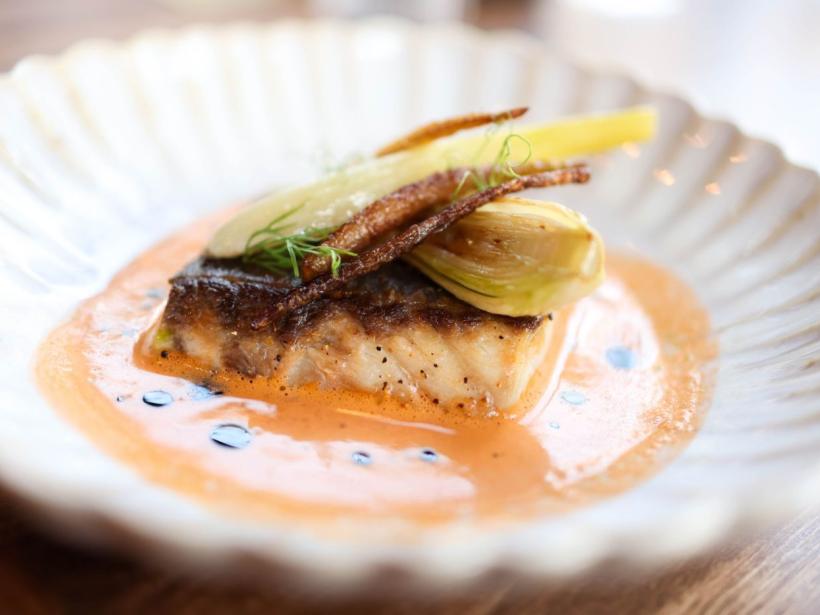
What makes a side dish work well with fish?
Fish has a naturally light, delicate flavor and a lean texture that can feel dry if you treat it like a steak dinner. A good side dish balances that soft flake with something creamy, crisp, or bright. You want a companion that adds richness to lean white fish like cod or cuts through the oiliness of salmon with a touch of acidity.
Texture matters as much as taste. A silky puree or a fluffy grain against a pan-seared fillet makes every bite more interesting. Think of a side dish as the frame that makes the fish look and taste complete, never the loudest voice on the plate.
Temperature and timing keep the meal practical. Choose sides you can make ahead or cook in the same oven while the fish rests. A warm puree holds its heat, a grain salad sits happily at room temperature, and a quick vinaigrette comes together in a minute. You want a plate where nothing fights for attention and everything arrives hot, or intentionally cool, at the same time.
Which vegetable purees pair best with fish?

Vegetable purees bring a smooth, creamy texture that sits next to a flaky fillet without competing. A well-made puree adds body to the plate, and its mild flavor lets the fish stay the star of the meal.
White fish like cod, halibut, and sea bass have a delicate taste and a tender bite. A puree with a little natural sweetness and no sharp edges balances that gentleness. Three purees do this job especially well.
- Cauliflower puree. Steamed cauliflower blended with a little butter and a splash of warm cream turns into a silky base. Its nutty, understated flavor holds up without masking the fish.
- Celery root puree. Celery root, or celeriac, cooks down to a soft, almost velvety mash. It has a faint herbal note and a gentle sweetness that pairs neatly with a simple pan-seared white fillet.
- Pea puree. Blanched sweet peas pureed with a touch of olive oil and fresh mint give a bright, slightly sweet lift. The fresh green taste cuts through any richness from butter or a cream sauce on the fish.
- Parsnip puree. Parsnips roast or steam into a sweet, earthy mash. Their mellow spice notes work well with roasted fish such as trout or char, adding warmth without heaviness.
- Carrot and ginger puree. Steamed carrots blended with a tiny knob of fresh ginger bring a sunny color and a hint of zing. This puree stands up nicely to oilier fish like mackerel or salmon.
A good puree should be loose enough to spoon easily but thick enough to stay put on the plate. Season it lightly with salt and a squeeze of lemon to tie it to the fish.
Why is rice a reliable side for fish?
Plain steamed rice acts as a clean, neutral canvas that lets delicate fish like baked cod or sole stay at the center of the plate without competing flavors. The mild starchiness also soaks up any sauce, butter, or pan juices, so nothing goes to waste.
Lemon herb rice brings a bright, aromatic lift that pairs naturally with slightly richer fillets such as trout or halibut. Stirring fresh parsley, dill, and lemon zest into hot rice right after cooking keeps the herbs fragrant and the citrus sharp, which cuts through the fish’s natural oils.
Coconut rice, made by replacing half the cooking water with light coconut milk, adds a subtle sweetness and creamy texture. It works especially well with spiced or boldly seasoned fish like blackened salmon or a Thai-style curry fish because the coconut rounds out the heat without masking it.
How do salads complement fish?

A well-built salad brings acidity and freshness that cut straight through the richness of oily or pan-fried fish. The key is a bright dressing and at least one crisp element, which resets your palate between bites and keeps the whole plate feeling light. You do not need a complicated recipe, just a deliberate pairing.
Three salad styles that work every time:
- Crunchy fennel and citrus salad. Thinly shaved fennel and orange or grapefruit segments tossed with a little olive oil and salt. The anise-like crunch and juicy citrus work especially well with salmon and mackerel.
- Simple arugula with lemon. Peppery arugula dressed with lemon juice, good olive oil and a few shavings of Parmesan. The sharp, clean flavor lifts delicate white fish like cod or sole without overpowering it.
- Warm potato and green bean salad. Tossed while still warm with a mustard vinaigrette and fresh dill. The gentle tang and soft texture make it a natural partner for grilled or smoked trout.
- Herb-heavy cucumber salad. Thin cucumber rounds with rice vinegar, a pinch of sugar and plenty of torn mint or cilantro. The cool, watery crunch balances spicy or blackened fish rubs.
What roasted vegetables go with fish?
Roasting concentrates the natural sugars in vegetables, creating a caramelized edge that contrasts beautifully with a crisp-skinned fillet. The high dry heat also keeps the vegetables tender without adding extra moisture to the plate, which helps the fish skin stay crunchy. You want vegetables that roast in roughly the same time it takes to sear or bake a portion of fish, so everything lands on the table hot.
A few quick options that work every time:
- Asparagus. Thin spears roast in 8-10 minutes at 425°F (220°C). Their grassy, slightly bitter notes cut through the richness of salmon or trout.
- Cherry tomatoes. Left whole on the vine or scattered on the tray, they blister and release a sweet-tart juice that acts like a built-in sauce for white fish such as cod or halibut.
- Zucchini. Halved lengthwise or cut into half-moons, zucchini softens into a buttery texture with browned edges. It is mild enough to work with any fish, from delicate sole to meaty swordfish.
- Bell peppers. Strips of red or yellow pepper char and sweeten in about 12 minutes, adding a smoky depth that pairs well with grilled or blackened fish.
- Fennel. Thin wedges turn silky and lose their licorice bite, mellowing into a gentle anise sweetness that complements citrus-dressed fish.
- Broccolini. The slender stalks get crispy tips while the stems stay tender. A squeeze of lemon right out of the oven ties them to almost any fillet.
Toss the vegetables with olive oil, salt, and pepper only, then add fresh herbs or a pinch of chili flakes after roasting. Keep the seasoning simple so the fish remains the star of the plate.
Can I serve fish with pasta or grains?

Pasta and grains work well with fish when you keep the sauce light. A simple orzo with fresh parsley, lemon zest, and a drizzle of olive oil lets the fish stay the star of the plate. Nutty grains like quinoa or farro bring a chewy texture that pairs nicely with a firm fillet such as salmon or halibut.
Heavy cream sauces and baked mac and cheese tend to smother delicate white fish. The richness of an Alfredo or a four-cheese sauce masks the subtle flavor of cod, sole, or tilapia. Save those hearty pastas for a meatless main course instead.
- Orzo with herbs and lemon for a quick, bright pairing
- Quinoa pilaf with toasted almonds next to roasted salmon
- Farro with a light vinaigrette under grilled swordfish
- Couscous with cucumber and mint alongside seared tuna
- Angel hair pasta with olive oil and garlic for any flaky white fish
- Avoid fettuccine Alfredo and baked ziti with cream-based sauces
Match the weight of the side to the weight of the fish. A meaty tuna steak can handle a grain salad with a bit more body, while a thin sole fillet wants something airy like a spoonful of herbed couscous.
How do I match the side dish to the type of fish?
Lean white fillets such as cod, halibut or tilapia have a mild flavor and a delicate texture. A rich, buttery potato puree or a creamy parsnip mash adds the body the fish lacks without overwhelming it. Steamed jasmine rice with a pat of butter works the same way, soaking up the juices while keeping the plate light.
Oily fish like salmon, mackerel or sardines bring their own richness to the table. A sharp, acidic side cuts through that fat and wakes up the palate. A simple arugula salad dressed with lemon juice and olive oil, or a cucumber and dill salad with a vinegar base, balances the meal. Roasted asparagus or charred broccolini with a squeeze of lemon give you the same effect with a warm vegetable.
For a thick steak cut like tuna or swordfish, treat the fish almost like meat. A grain salad with quinoa, chopped herbs and a mustard vinaigrette holds its own against the firm texture and bold flavor.
Frequently asked questions
What is the easiest side dish for a weeknight fish dinner?
Steamed rice or a handful of arugula dressed with lemon juice and olive oil are the fastest options. Both take under five minutes of active work and let the fish stay the focus of the plate.
Can I serve mashed potatoes with fish?
Yes, a smooth potato puree works well with lean white fish like cod or halibut. Keep the mash light by using warm milk and a little butter, and skip heavy gravy so the fish flavor comes through.
Which side dishes should I avoid with fish?
Skip anything that overwhelms the fish, such as heavily spiced bean stews or thick, cheesy gratins. Strong blue cheese dressings and very sweet glazed vegetables can also clash with the delicate flavor of most fillets.
What side dish goes with salmon specifically?
Salmon holds up to bolder sides. A warm potato and green bean salad with a sharp vinaigrette, roasted asparagus, or a citrusy quinoa pilaf all balance the richness of the fish without hiding it.
Photo: Valeria Boltneva, Pexels (Pexels License)