
What makes this ground beef dinner so easy?
This recipe uses a single large skillet from start to finish. You brown the ground beef, stir in aromatics, then add uncooked pasta and liquid directly to the same pan. The pasta absorbs the broth and tomato sauce as it simmers, so you skip boiling a separate pot of water and draining it in a colander.
The whole dish comes together in about 30 minutes, with only 10 minutes of hands-on work. While the pasta cooks covered on the stovetop, you are free to toss together a quick salad or set the table. Clean-up afterward means washing one skillet, a cutting board, and a wooden spoon, a task that takes less than two minutes.
Because the starch released by the pasta stays in the pan instead of going down the drain, the sauce thickens naturally without flour or cornstarch. The result is a creamy, cohesive dish with no extra pots, no waiting for water to boil, and no complicated techniques.
Ingredients for one-pan ground beef pasta

Every ingredient here earns its place, building layers of flavor while the pasta cooks in the same pot. You get a rich, satisfying dinner without a pile of extra pans to wash. Measure everything before you start because this recipe moves quickly once the beef hits the heat.
I use a wide, deep skillet or a Dutch oven with a tight lid. The wide surface lets the ground beef brown properly instead of steaming, and the tall sides keep the liquid from bubbling over once you add the broth and pasta.
- 1 lb (450 g) lean ground beef (85/15). An 85/15 blend gives you enough fat for flavor without making the sauce greasy. If you use 90/10 or leaner, add a teaspoon of olive oil when you brown the meat so it does not dry out.
- 1 medium yellow onion, diced (about 1 cup / 150 g). The onion melts into the sauce as it simmers, adding a savory sweetness that balances the acidity of the tomatoes. Dice it evenly so every bite tastes the same.
- 3 garlic cloves, minced. Fresh garlic, not jarred, gives a sharp, aromatic backbone that lifts the whole dish. Mince it finely so it melts into the sauce without leaving raw chunks.
- 1 can (14.5 oz / 411 g) diced tomatoes, undrained. The juice becomes part of the cooking liquid, and the tomato pieces break down into a light, chunky sauce as they cook. Fire-roasted diced tomatoes are a great swap if you have them.
- 2 cups (480 ml) low-sodium beef broth. Broth cooks the pasta and carries the beefy flavor into every piece. Low-sodium gives you control over the salt level. You can swap in chicken broth or even water in a pinch.
- 8 oz (225 g) dry short pasta, such as rotini or penne. Short shapes trap the chunky sauce in their ridges and spirals. Rotini and penne hold their bite well during the one-pan simmer; avoid long noodles like spaghetti, which clump and cook unevenly here.
Step-by-step instructions
Set a large, deep skillet or a Dutch oven over medium-high heat. Add 1 lb (450 g) lean ground beef and break it apart with a wooden spoon. Cook for about 5 minutes, stirring occasionally, until no pink patches remain. Drain off any excess fat, then stir in 1 teaspoon salt and ½ teaspoon black pepper.
Reduce the heat to medium. Add 3 minced garlic cloves and cook for 30 seconds, just until fragrant. Pour in 3 cups (720 ml) beef broth, 1 can (14.5 oz / 411 g) diced tomatoes with their juices, and 1 cup (240 ml) heavy cream. Bring the liquid to a gentle boil. Stir in 8 oz (227 g) uncooked short pasta such as penne or rotini, pressing it down so the liquid covers the noodles.
Cover the skillet and lower the heat to maintain a steady simmer. Cook for 12 to 15 minutes, lifting the lid to stir twice so nothing sticks. The pasta is done when it is tender and has absorbed most of the liquid, leaving a creamy sauce that coats the back of a spoon. If the sauce looks too thin, simmer uncovered for 2 more minutes. Remove from the heat and stir in 1 cup (4 oz / 113 g) shredded sharp cheddar until melted. Let the dish rest for 3 minutes before serving.
- Brown the beef until no pink remains, then drain the fat.
- Add garlic and cook 30 seconds until fragrant.
- Pour in broth, tomatoes, cream and bring to a gentle boil.
- Stir in dry pasta, cover and simmer 12 to 15 minutes.
- Stir in cheese off the heat and rest 3 minutes before serving.
What can I substitute if I am missing an ingredient?

Ground beef is the heart of the dish, but ground turkey or ground chicken work well if you add an extra tablespoon of olive oil to keep the meat from drying out. The flavor will be milder, so increase the garlic by one clove and add a pinch of smoked paprika. Ground pork or a pork-beef blend makes the sauce noticeably richer and needs no other adjustments.
Any short pasta shape that holds sauce will succeed here. Rigatoni, penne, or ziti are the closest swaps for the spirals. In a pinch, break long spaghetti into thirds before cooking. The key is keeping the shape small enough to cook evenly in one pan and easy to scoop with a spoon.
For the dairy, heavy cream gives the silkiest result. Half-and-half works but the sauce will be thinner, so stir in a tablespoon of cream cheese at the end for body. A can of evaporated milk is a reliable pantry substitute that adds richness without curdling. Avoid regular milk because it can separate under high heat.
Here are the most reliable swaps, ranked from closest match to biggest change in flavor:
- Ground beef: ground pork (richer, no other changes needed), then ground turkey with extra oil and paprika, then ground chicken.
- Pasta shape: rigatoni or penne (identical cooking time), then ziti, then broken spaghetti or farfalle.
- Canned diced tomatoes: whole peeled tomatoes crushed by hand (texture will be slightly chunkier), then crushed tomatoes (sauce will be smoother), then fresh ripe tomatoes peeled and chopped (add 5 extra minutes of simmering).
- Heavy cream: evaporated milk plus a tablespoon of butter (same richness), then half-and-half with cream cheese, then full-fat sour cream stirred in off the heat.
- Beef broth: chicken broth (lighter but still savory), then vegetable broth with a teaspoon of soy sauce, then water with a bouillon cube.
- Parmesan: Pecorino Romano (saltier, so reduce added salt by a pinch), then Grana Padano, then aged Asiago.
How do I store and reheat leftovers?

Cool the pasta completely, then transfer it to an airtight container. It keeps in the refrigerator for up to 3 days. For longer storage, freeze it in a freezer-safe container or a heavy-duty zip-top bag for up to 2 months. Press out as much air as possible before sealing to prevent freezer burn.
The stovetop gives you the best texture. Place the pasta in a skillet with a splash of water or beef broth, about 2 tablespoons per serving. Cover and warm over medium-low heat for 4 to 5 minutes, stirring once halfway through. The steam revives the sauce and keeps the meat tender.
A microwave works when you are short on time. Sprinkle a little water over the pasta, cover the bowl loosely with a damp paper towel, and heat in 45-second bursts. Stir between bursts until the dish is hot all the way through. The damp towel traps moisture so the pasta does not turn rubbery.
What sides go well with this dish?
This pasta is hearty on its own, so the best sides are light, crisp, and fast. You want something that cuts through the richness of the meat and cheese without adding another heavy element to the plate.
A simple green salad comes together in under five minutes. Toss mixed greens with a sharp vinaigrette made from 2 tablespoons olive oil, 1 tablespoon red wine vinegar, and a pinch of salt. The acidity brightens every bite of the pasta.
These quick options all take ten minutes or less from start to finish:
- Arugula with shaved Parmesan, dressed with lemon juice and olive oil
- Sliced cucumber and red onion in a splash of white wine vinegar with a pinch of sugar
- Garlic bread made by toasting sliced ciabatta under the broiler, then rubbing it with a cut garlic clove
- Steamed green beans tossed with butter and flaky salt while still hot
- Roasted cherry tomatoes blistered in a dry skillet for four minutes until they just begin to split
- Pickled pepperoncini straight from the jar, which add a tangy crunch with zero prep
Frequently asked questions
Can I use a different pasta shape?
Yes. Short shapes like penne, rigatoni, or fusilli work best because they hold the sauce and cook evenly in the pan. If you only have spaghetti, break it in half and stir more often to prevent sticking. Cooking time may shift by a minute or two, so start checking for doneness a little earlier than the recipe states.
My pasta came out a bit too firm. What went wrong?
The liquid likely evaporated faster than the pasta could absorb it. Every stove and pan behaves a little differently. Next time, keep an extra half cup of warm water or broth nearby. If the pan looks dry before the pasta is tender, add a splash, stir, and give it another couple of minutes.
Can I make this ahead for tomorrow?
Yes. The dish holds well overnight in the fridge. The pasta will soak up more sauce as it sits, so it will be thicker when you reheat it. Stir in a tablespoon or two of water or milk while warming it up to bring back the original creamy texture.
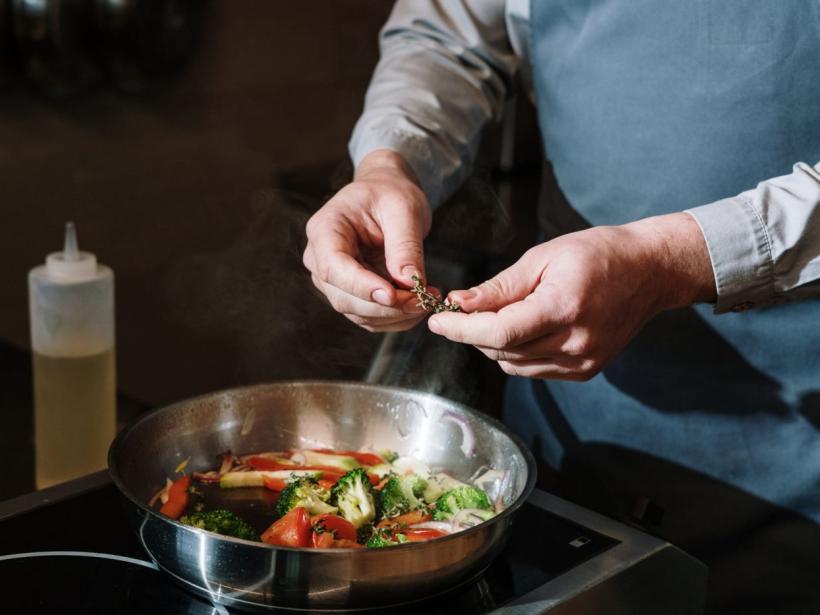
Photo: cottonbro studio, Pexels (Pexels License)