
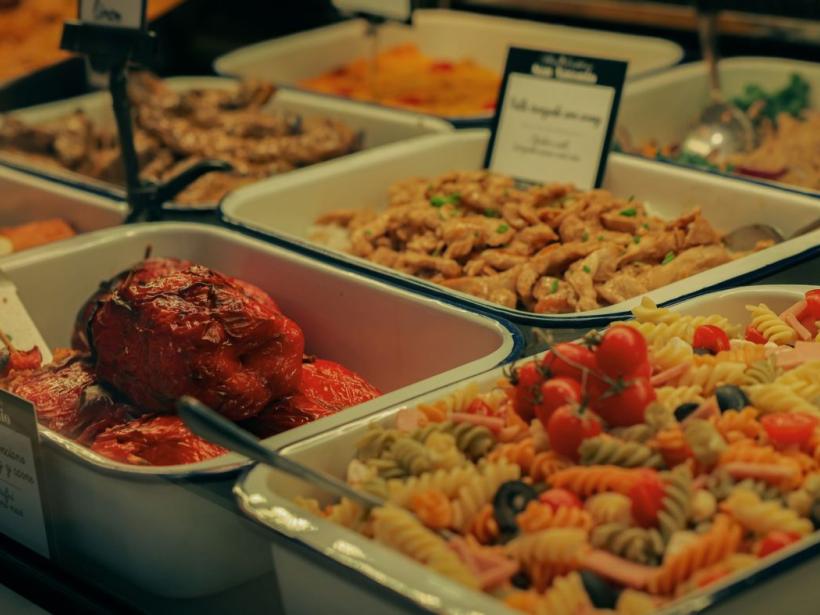
Does freezing ruin pasta salad?
Freezing pasta salad is safe, but it changes the texture in two predictable ways. Cooked pasta holds a lot of water, and ice crystals form inside it during freezing. When the salad thaws, that water releases and the pasta turns softer, sometimes slightly mushy, especially if it was cooked past al dente before freezing.
Dressings suffer the most. Mayonnaise and yogurt-based dressings break and separate in the freezer, so they turn watery or grainy once thawed. Oil-and-vinegar dressings handle it better, though they still need a good stir. Fresh vegetables like cucumber and tomato also go soft because their cell walls collapse.
A thawed pasta salad will taste fine but will not match a fresh batch. It works best in recipes where you dress it again after thawing, or where a softer texture does not matter, like a baked pasta dish.
Which ingredients survive the freezer?

Firm, low-moisture ingredients come through freezing with their texture mostly intact. Cooked pasta freezes well if you undercook it by 1-2 minutes and toss it with a little oil first, because it soaks up moisture as it thaws and softens further. Dense vegetables such as blanched broccoli florets, carrots, peas and corn hold their shape. Hard cheeses like Parmesan and sharp cheddar crumble slightly but keep their flavor. Olives, sun-dried tomatoes and roasted peppers freeze fine too.
Keep these out of the freezer and stir them in fresh after thawing:
- Cherry tomatoes turn mushy and watery once frozen, so halve them and add them last.
- Cucumber and celery go limp and release liquid, which thins the dressing.
- Fresh herbs like basil and parsley turn dark and slimy, so chop them after thawing.
- Mayonnaise-based dressings can separate and turn grainy, so dress the salad once it has thawed.
- Soft cheeses such as feta and mozzarella crumble and weep, so fold them in at the end.
- Lettuce and spinach wilt completely and add nothing to the plate.
How do you freeze pasta salad step by step?
Freeze pasta salad only after it has cooled completely, and the sooner the better. Spread the cooked pasta on a baking sheet for 30 to 40 minutes in the fridge so it stops steaming, then toss it with about half the dressing you would normally use.
Pack it in single meal portions, roughly 2 cups (about 450 g) each, in freezer bags or rigid containers. Press the air out of the bags, seal them, and write the contents and date on the label with a permanent marker. Lay the bags flat so they freeze in an even layer and thaw faster later.
- Cool the pasta fully before packing, at least 30 minutes in the fridge.
- Dress lightly, or freeze the pasta undressed and add dressing after thawing.
- Portion into 2 cup (450 g) servings so you thaw only what you need.
- Squeeze out as much air as possible to limit freezer burn.
- Label each bag with the contents and the date before it goes in the freezer.
How long can it stay frozen and how do you thaw it?

Frozen pasta salad keeps its best quality for 1-2 months at 0°F (-18°C) or colder. After that the pasta keeps absorbing moisture and the vegetables turn mushy, so the salad is safe to eat but no longer pleasant. Label the container with the date so you know what you are working with.
Thaw the salad in the fridge overnight, about 8-12 hours for a standard container. A slow thaw in the fridge keeps the pasta and vegetables from turning watery and stops the dressing from separating. Leaving it on the counter for hours is unsafe, so keep it cold until it is soft.
- Freeze in portions you will eat in one sitting, so you thaw only what you need.
- Press out excess air or use a shallow container to limit ice crystals.
- Place the container on a plate in the fridge in case it leaks as it thaws.
- Never refreeze a thawed salad, and eat it within 1-2 days.
How do you bring a thawed salad back to life?

A thawed pasta salad comes back well in four quick stages: drain, redress, rebuild, and reseason. The pasta will have soaked up dressing and released some water as it thawed, so expect to add back both flavor and texture.
First, tip the salad into a colander and let it drain for 10 minutes in the fridge. Then toss it with 2 to 3 tablespoons of fresh dressing per 4 cups of salad, since the old coating will taste flat. Next, stir in your reserved crisp and creamy ingredients: diced cucumber, cherry tomatoes, olives, feta, or a spoonful of mayonnaise. You left these out before freezing on purpose, and they carry most of the fresh texture now.
Before serving, taste and season again with salt, pepper, and a splash of vinegar or lemon juice, then let the salad sit for 15 minutes so the flavors settle. Serve it chilled, straight from the fridge.
What is a simpler alternative to freezing the whole salad?
Freeze the pasta and the sturdy vegetables plain, keep the dressing in the fridge, and assemble the salad fresh on the day. Cooked pasta freezes well on its own for up to 2 months, and it thaws without the sogginess that comes from freezing a dressed salad.
Drain the pasta, toss it with a teaspoon of olive oil so the pieces do not clump, and spread it on a sheet pan to cool before bagging. Blanch firm vegetables such as carrots or green beans for 2 minutes, then plunge them into ice water. Whisk the dressing fresh or store it in a jar for up to 5 days.
- Freeze pasta in 2-cup portions so a weeknight batch thaws quickly.
- Keep chopped onion, celery and herbs out of the freezer and add them fresh.
- Thaw the pasta overnight in the fridge, then pat it dry before dressing.
- Mix dressing and pasta at the last minute so the pasta stays firm.
Frequently asked questions
Can you freeze pasta salad with mayonnaise?
Yes. The texture changes, though. Mayonnaise separates when it freezes and thaws, so the dressing can look grainy and release water. Freeze the pasta and vegetables plain, then stir in fresh mayonnaise dressing after thawing.
How long does frozen pasta salad keep?
Expect one to two months for the best texture. The pasta stays safe longer in a freezer set at 0°F (-18°C), but it dries out and picks up freezer odors over time. Label the container with the date you packed it.
Why did my thawed pasta salad turn watery?
Water comes from vegetables like tomatoes and cucumbers and from a dressing that separated during freezing. Draining the thawed salad well and adding a fresh splash of dressing fixes most of it. Next time, leave watery vegetables out of the freezer batch.
Can you freeze pasta salad in a glass container?
Yes. Leave about an inch (2.5 cm) of headspace, because the contents expand as they freeze. Use a container that is freezer safe and seals well. A freezer bag with the air pressed out works too and takes less space.
Photo: TBD Traveller, Pexels (Pexels License)